
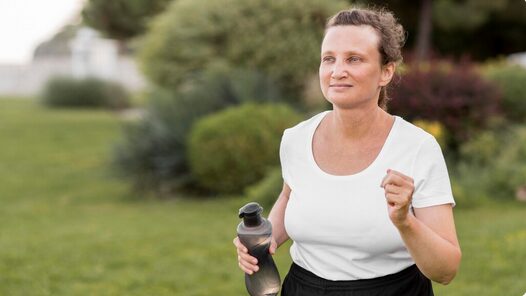
Crossing into your 40s doesn’t mean throwing in the towel on workouts—it just means working smarter. Your body deserves exercise that keeps you strong but doesn’t punish your joints. Science backs this up: studies show low-impact activities can reduce the risk of injury while still boosting muscle and cardiovascular health. Here’s the secret: you don’t need punishing HIIT sessions to stay fit. The right moves can fire up your energy, improve flexibility, and support long-term strength. It’s about keeping workouts consistent, enjoyable, and effective for the stage you’re in now.
Walking With Intention
 Walking sounds simple, maybe too simple, but it’s seriously underrated. A brisk 30-minute walk can strengthen your heart, burn calories, and reduce stress levels. Doctors often recommend it because it’s safe, adaptable, and accessible to almost everyone. To keep it interesting, mix in intervals by alternating fast and moderate paces. Add in a podcast or playlist and suddenly it feels less like exercise and more like “me time.” The bonus? It doubles as a mood lifter after a long workday.
Swimming for Strength and Joint Relief
Swimming is basically exercise wrapped in therapy. The water supports your body weight, which eases stress on your knees, hips, and back. At the same time, it works multiple muscle groups, giving you a powerful full-body workout. If swimming laps feels boring, water aerobics or resistance training with pool equipment can spice it up. These activities keep the heart rate steady without leaving you sore the next morning. Plus, being in the water itself has a calming, almost meditative vibe.
Yoga and Pilates for Core Power
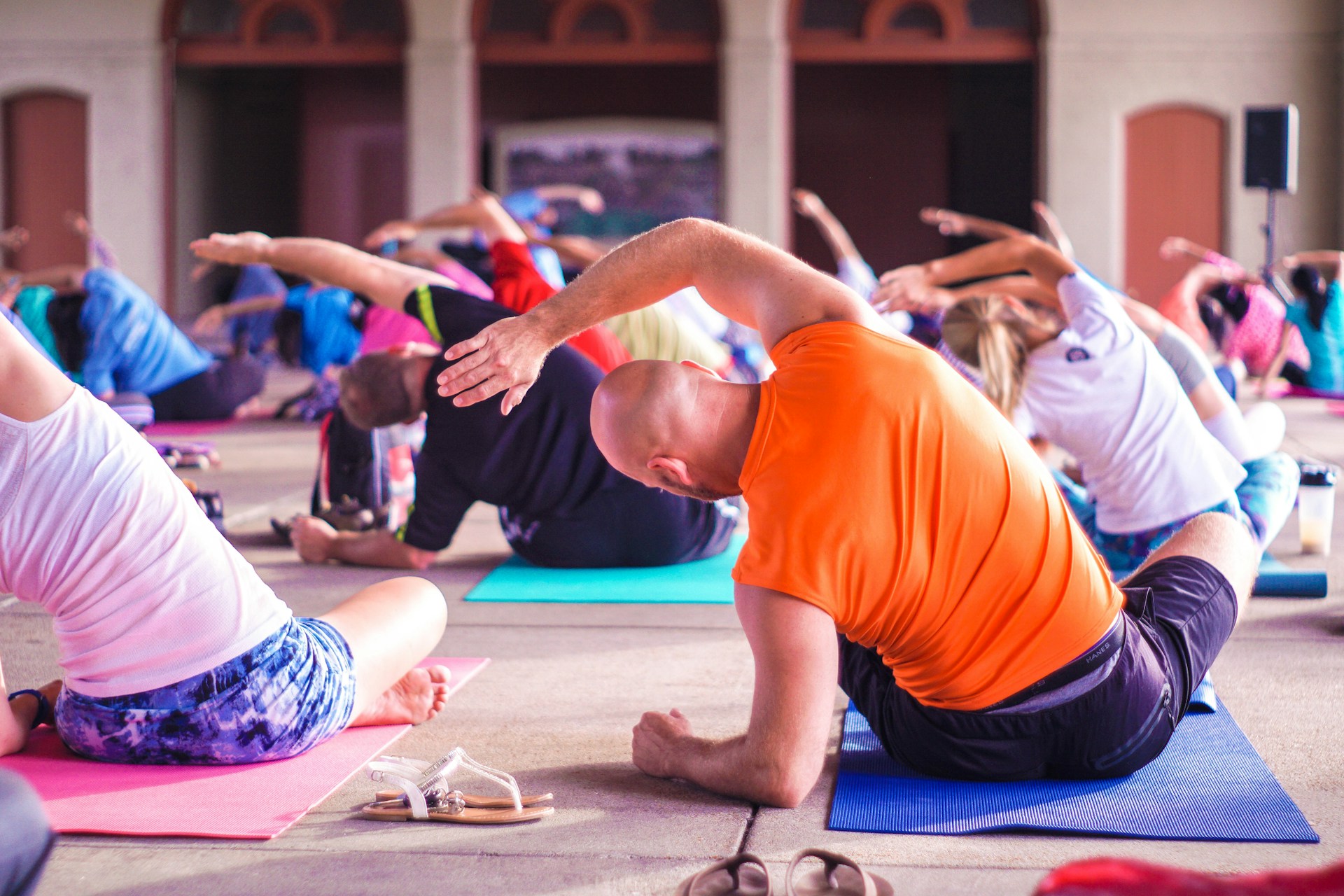
Balance and flexibility start to matter more as the years tick by. Yoga and Pilates both help build strength while keeping your core stable, which protects against everyday injuries. They also improve posture—something many people over 40 notice slipping. The best part? These practices can be scaled to your comfort level. A 20-minute beginner-friendly flow or mat Pilates routine can do wonders without making you feel overwhelmed. Plus, the breathing techniques often leave you more relaxed than when you started.
Cycling Indoors or Out
Cycling brings cardio benefits without the pounding of running. Whether you’re pedaling outside in fresh air or spinning indoors, it’s a joint-friendly way to keep endurance up. Studies show regular cycling also improves mental health and reduces the risk of chronic diseases. For outdoor rides, start with shorter routes and gradually build distance. If you prefer the gym or a home bike, adjust resistance for variety. Cycling also makes it easier to sneak fitness into social activities—group rides or spin classes can keep motivation alive.
Strength Training With a Gentle Touch
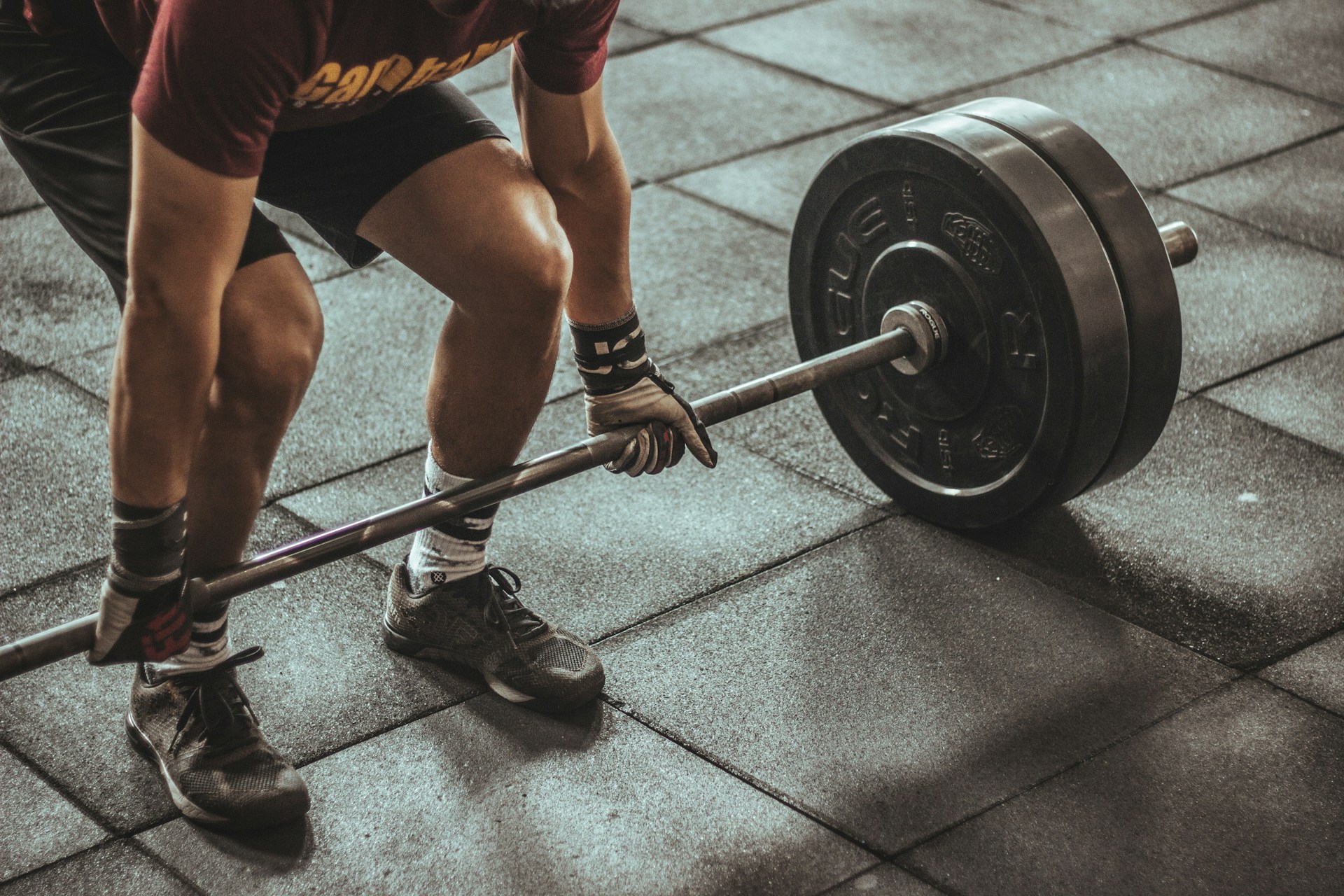 Yes, lifting weights still matters after 40. Muscle naturally declines with age, so strength training helps maintain function and independence. The trick is focusing on lighter weights with higher reps or resistance bands to avoid unnecessary strain. Think bodyweight squats, resistance band pulls, or light dumbbell routines. These moves don’t just tone muscles—they also support bone density, which becomes increasingly important over time. Consistency beats intensity here, and a little goes a long way.
Fitness after 40 isn’t about chasing extremes. It’s about choosing movements that work with your body, not against it. Low-impact exercises like walking, swimming, yoga, cycling, and light strength training can keep you feeling powerful, …
Continue reading
 The cost of SARMS will be different depending on the use and the type of brand. There are brands whose products are normally higher, especially the bigger and established brands.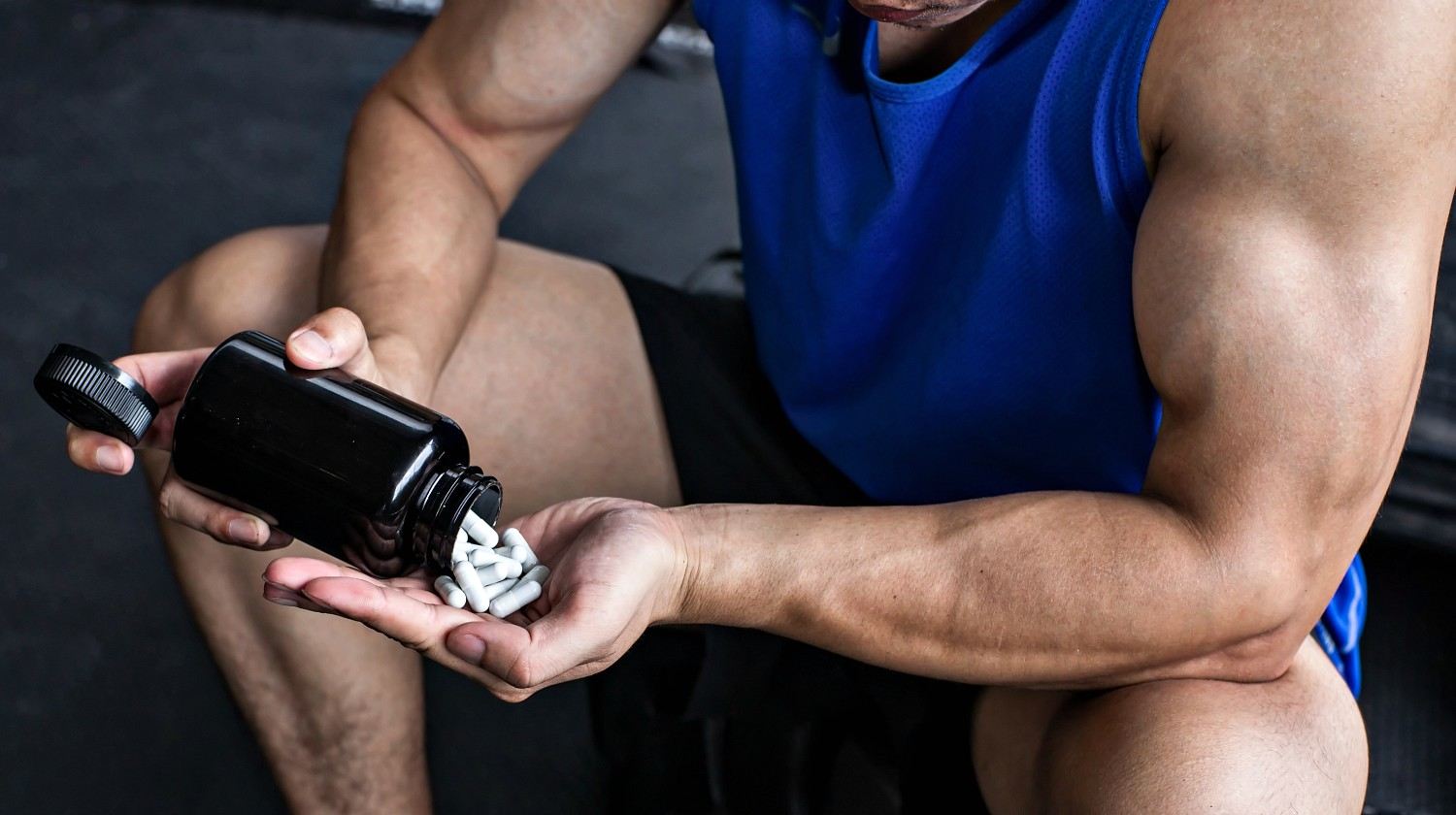

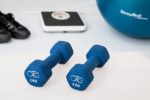

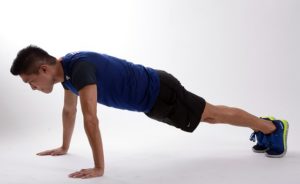 With no work out equipment at all, you can still train home and get rid of those extra pounds. Some of the best exercise routines are squats and pushups. With these, the weight that you need to train your muscles is your own body. You only need to know how to position yourself so that at the end of the day, you are doing it right. You may want to start with a set of few push-ups or squats then advance as your body becomes more accustomed to it.